
Automotive Flexible Shafts: Why Flocking Yarn Decides Wear and Noise
Published
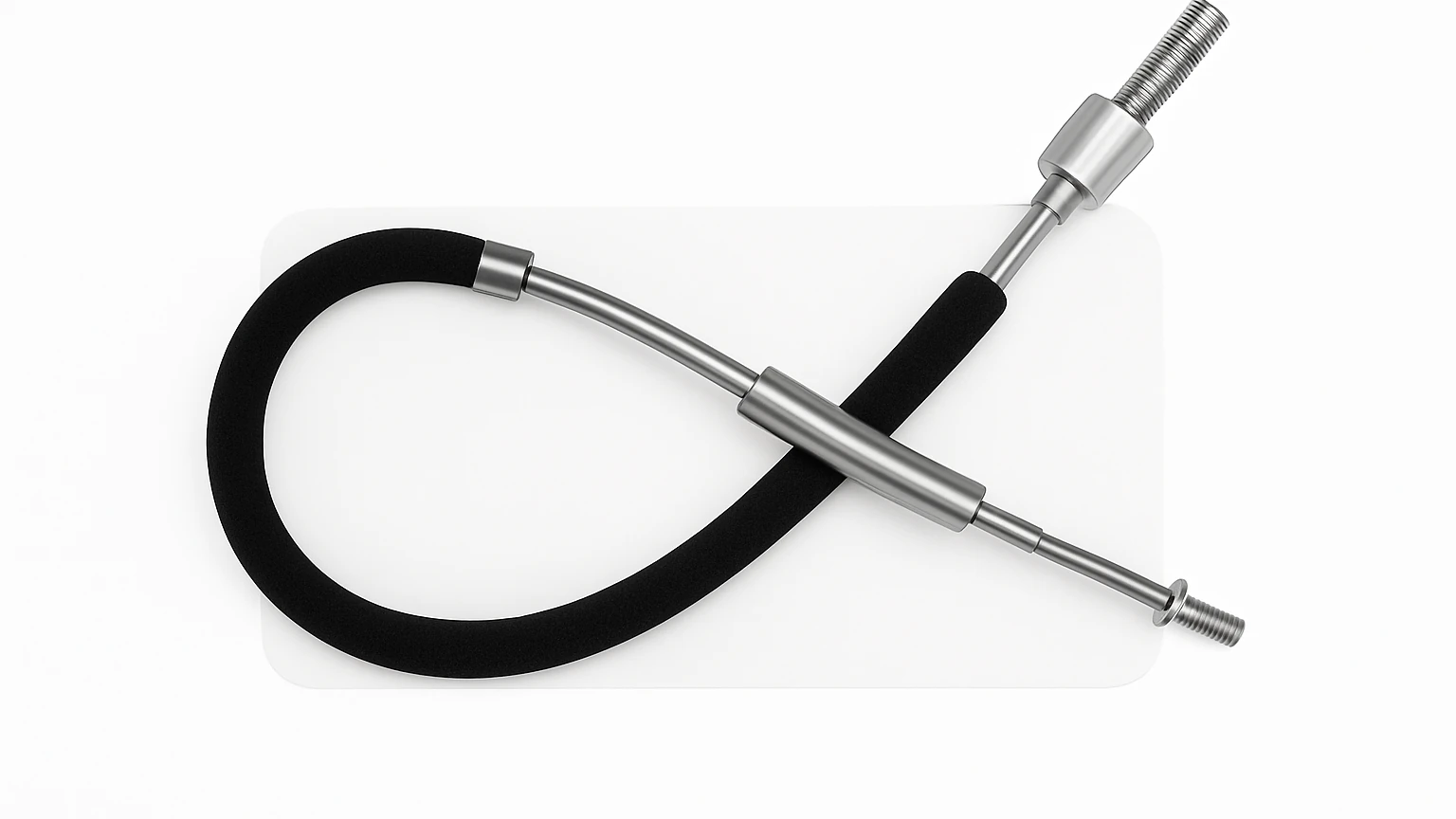
In the long-term wear and noise performance of automotive flexible shafts, flocking yarn plays a decisive role.
The core is the flocking yarn
As the quiet workhorse of the drivetrain, flocking yarn uses a dense and even fiber layer to build a dedicated compliant interface between the shaft and its casing. It turns harsh metal-on-metal friction into smooth flocked contact and lowers the friction coefficient.
Its vibration-absorbing and sound-damping properties also cut the noise generated by shaft rotation at the source.
Even under alternating high and low temperatures and high-frequency reciprocating operation, the flock layer keeps strong adhesion, does not shed fibers and stays stable, securing wear resistance and quiet running over the whole service life of the shaft.
A lesser-known fact: half of a flexible shaft's life is decided by the flocking yarn
Do not underestimate that thin fiber layer: it is the core buffer between the shaft and the sleeve. Without it, high-speed metal friction wears parts quickly and produces harsh transmission noise.
With the right flocking yarn, noise is suppressed and wear is delayed, extending the overall life of the shaft considerably.
For source-factory custom flocking yarn, come to Special Flocking: fiber specification, adhesive system and electrostatic parameters are calibrated per application, with sampling from drawings or physical parts.