
Why flocking resists wear: fiber, adhesive and electrostatic field working together
Published
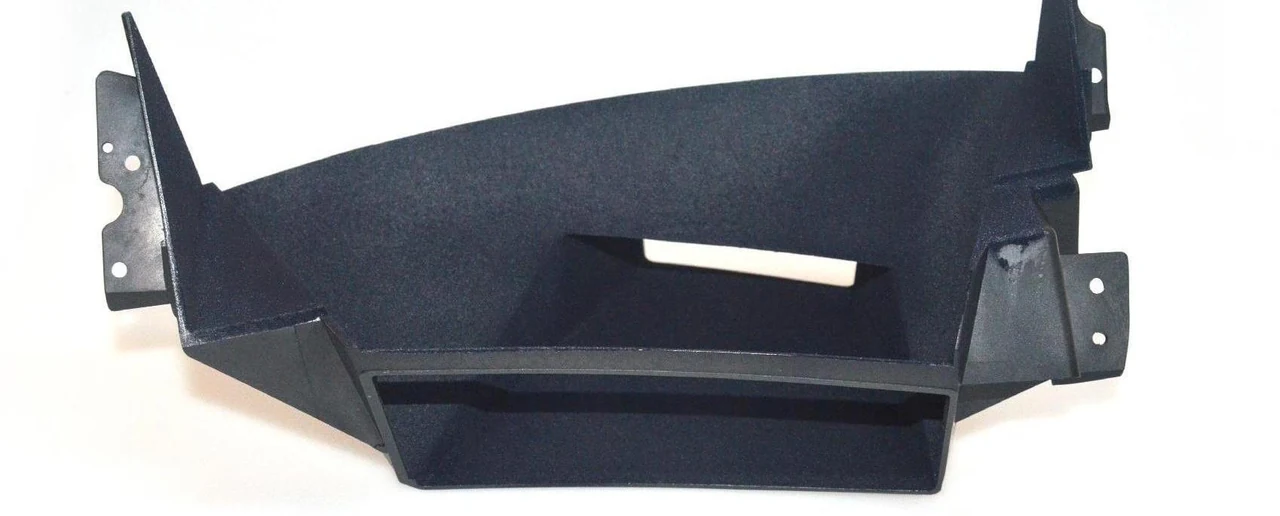
The question customers ask most often when comparing samples is simple: both are flocked, so why does yours not shed? Wear resistance is not a secret ingredient. It is the result of fiber, adhesive and electrostatic field working together. If any one of them is off, the surface still looks fine at first and fails later.
1. Fiber: length, denier and cross-section
Fiber is the first line of defence. Longer fibers feel softer but lose uprightness and flatten under load; shorter fibers give a denser, firmer surface with more stable wear behaviour. Denier determines the strength of a single filament, and fibers that are too fine break down under repeated rubbing. Cross-section shapes shift the balance between lustre and stability.
The right choice is not the most premium one, but the one that matches how the part is loaded. Surfaces that rub constantly, such as automotive interior parts and cleaning brushes, favour short fibers with higher denier. Surfaces judged by touch, such as packaging liners and cosmetic brush heads, trade some wear margin for feel.
2. Adhesive: coat weight and curing
The adhesive layer decides whether fibers stay put. Too little adhesive and the roots never anchor, so a rub test removes whole patches. Too much and adhesive climbs the fibers, bonding them into hard clumps that feel brittle and look glossy. Incomplete curing is just as damaging: dry on the surface, wet underneath, with adhesion dropping noticeably after storage.
- Set coat weight against substrate absorbency; porous substrates need penetration margin
- Cure temperature and time are a pair; do not shorten time by raising temperature alone
- Run rub and tape-peel tests before mass production and use them as the release criteria
3. Electrostatic field: driving fibers in straight
Electrostatic flocking relies on charged fibers travelling along field lines straight into the substrate. A weak field leaves fibers leaning, with uneven density and inconsistent root penetration. An excessive field drives them too deep, so the surface looks sparse while the adhesive layer is pierced. Plate distance, voltage and flocking time must be tuned together, and recalibrated whenever fiber specification or substrate thickness changes.
Wear resistance is built, not inspected: only a locked-in process window makes it repeatable.
4. How to verify
Standard verification uses Martindale or reciprocating abrasion testing, supported by rub and tape-peel tests. Keep a visual reference sample as well, because a part that passes abrasion but shows flattened, glossy fibers is still rejected by the customer. Test conditions should follow real use: dry, wet and loaded rubbing can lead to entirely different conclusions.
Our experience at Special Flocking is straightforward: lock substrate, fiber, adhesive and electrostatic parameters into a recipe card first, then talk about capacity. Any change of material, line, or season requires re-confirmation of those parameters. That is the precondition for stable delivery.